


If you’ve ever heard someone mention the number 3.14, you’ve probably heard them talking about pi (pronounced “pie”).
Pi is one of the most famous numbers in math — and once you see how it works, you’ll start spotting it everywhere.
The good news? Explaining pi to kids doesn’t have to be complicated. In fact, it starts with something simple: circles.
What Is Pi?
Pi is a number that describes the relationship between two parts of a circle:
- the distance around the circle (called the circumference)
- the distance across the circle through the middle (called the diameter)
No matter how big or small the circle is, the ratio between these two measurements is always the same.
That number is pi.
If you divide the circumference of any circle by its diameter, you’ll always get about:
3.14
That’s why pi is often written as 3.14, though the number actually keeps going forever:
3.141592653589…
It never ends and never repeats — which makes it a pretty fascinating number.
A Simple Way to Explain Pi to Kids
One of the easiest ways to understand pi is to try measuring a circle.
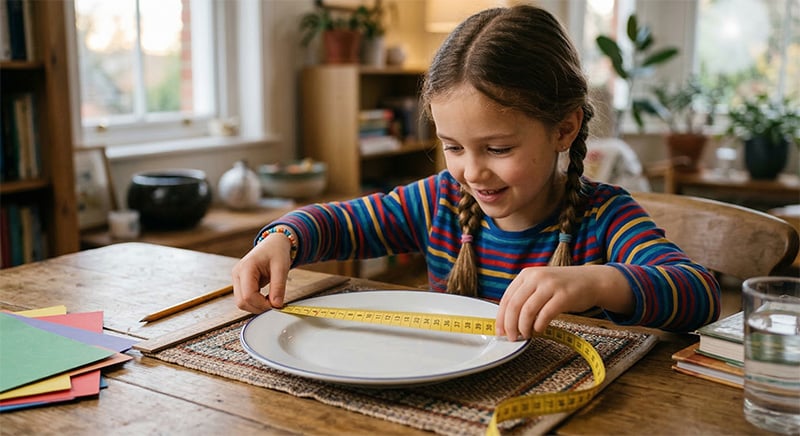
You can do this at home with:
- a bowl
- a plate
- a roll of tape
- a pie tin (perfect for Pi Day!)
Here’s the idea:
- Measure the distance across the circle (diameter).
- Measure the distance around the circle (circumference).
- Divide the circumference by the diameter.
You’ll find the answer is always close to 3.14.
It doesn’t matter if the circle is small or huge — the ratio stays the same.
That’s the magic of pi.
Why Does Pi Matter?
Pi shows up in far more places than you might expect.
It helps scientists and engineers understand anything involving circles, curves, or rotation.
Pi is used in:
- architecture and engineering
- astronomy and space science
- computer graphics
- physics
- robotics
- even understanding waves and sound
In other words, pi isn’t just a math concept — it’s a number that helps explain the world around us.
Spark Celebrates Pi Day!
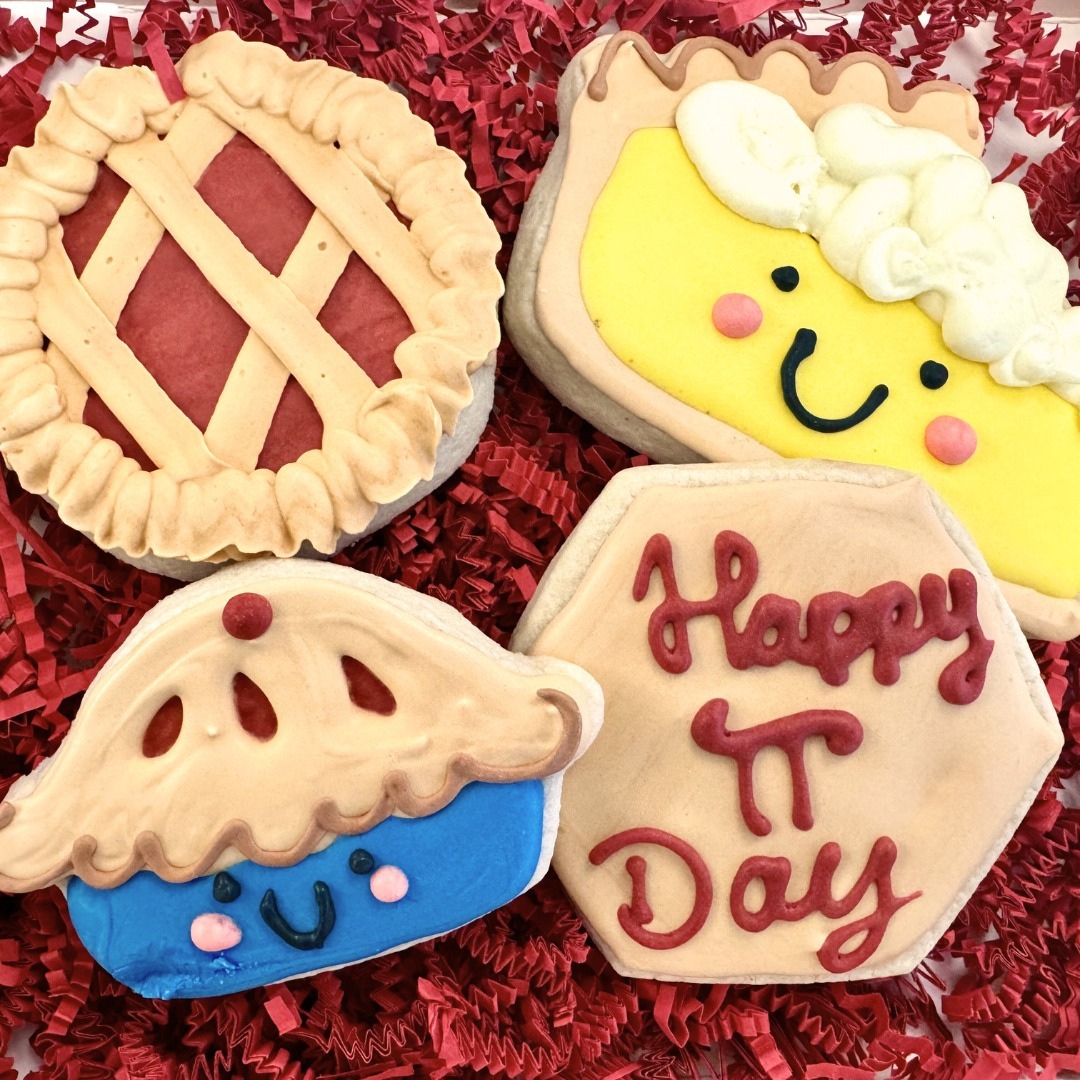
Every year on March 14 (3/14), Spark celebrates Pi Day.
It’s a fun way to recognize the famous number — and it’s also the perfect excuse to explore circles, math, and yes… pie.
At TELUS Spark Science Centre, Pi Day turns into a celebration of curiosity, creativity, and hands-on learning.
Celebrate Pi Day at TELUS Spark Science Centre
This year, Pi Day activities take over the building with interactive experiments, playful challenges, and plenty of circular inspiration.
Musical Pi-ano
10:00 AM – 3:00 PM | Atrium
You may have tasted a pie — but have you ever heard one sing?
Spark’s food piano is back with a delicious twist. Electric impulses transform real pies into musical notes, turning your favourite desserts into a melody.
It’s science, music, and pie all in one experiment.
Super-Sized Circumference Circle
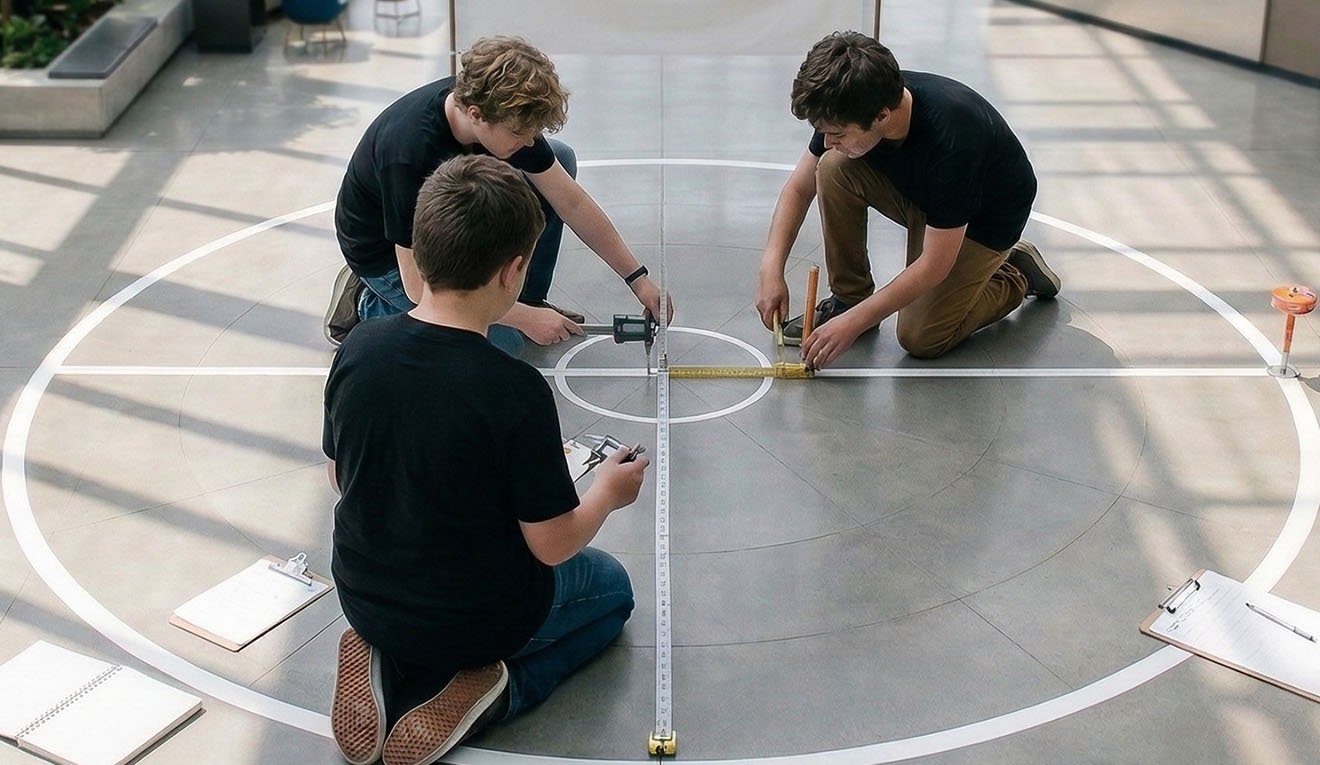
All Day | Atrium
Pi might be a mathematical constant, but it’s always good to double-check.
In this giant interactive activity, you can walk the measurements yourself. Follow the lines and test whether the ratio between the circle’s circumference and diameter really does equal 3.14.
Spoiler: it does.
Play-Dough Bakery
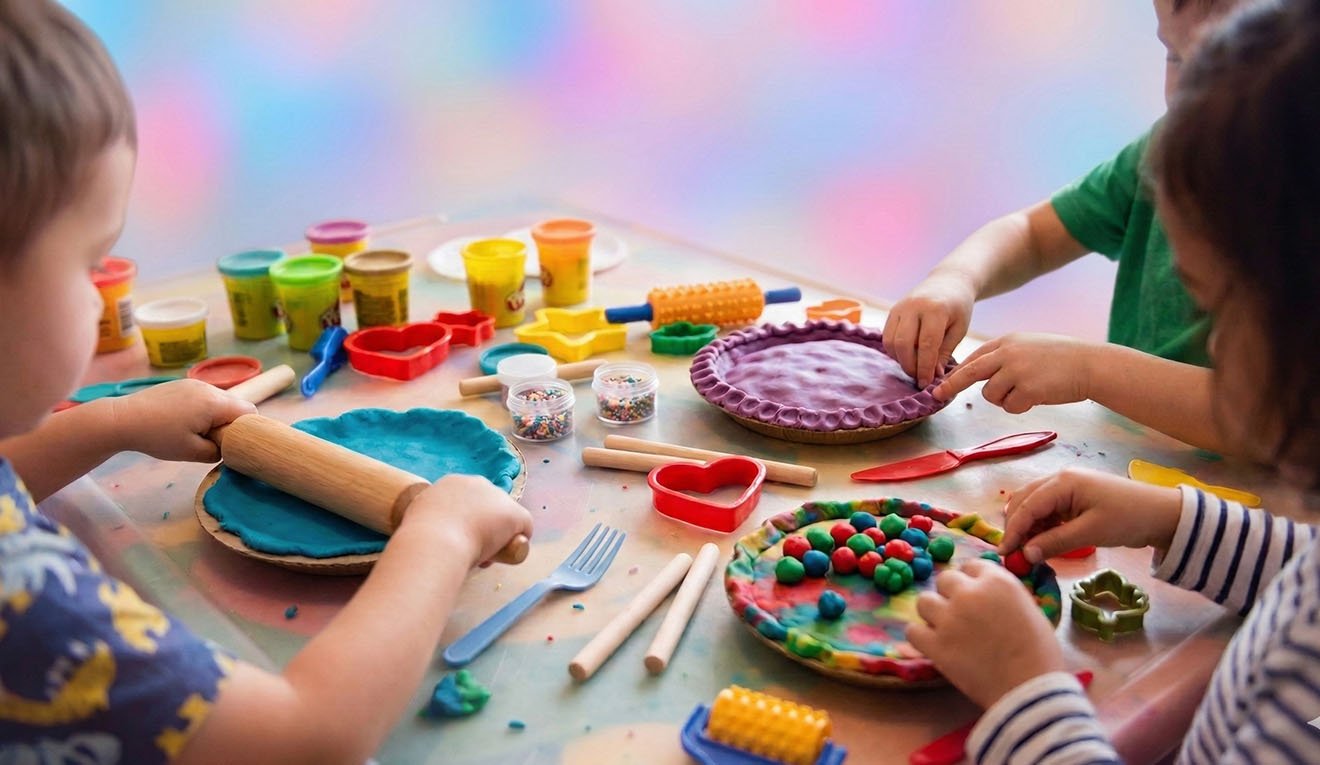
11:00 AM – 1:00 PM | Creative Kids Museum
There are so many delicious kinds of pie — and now kids can make their own.
In the Creative Kids Museum, young bakers can shape and design their own play-dough pies in the Creative Kid Kitchen.
It’s a sweet way to explore shapes, creativity, and a little math along the way.
Pi Day Scavenger Hunt
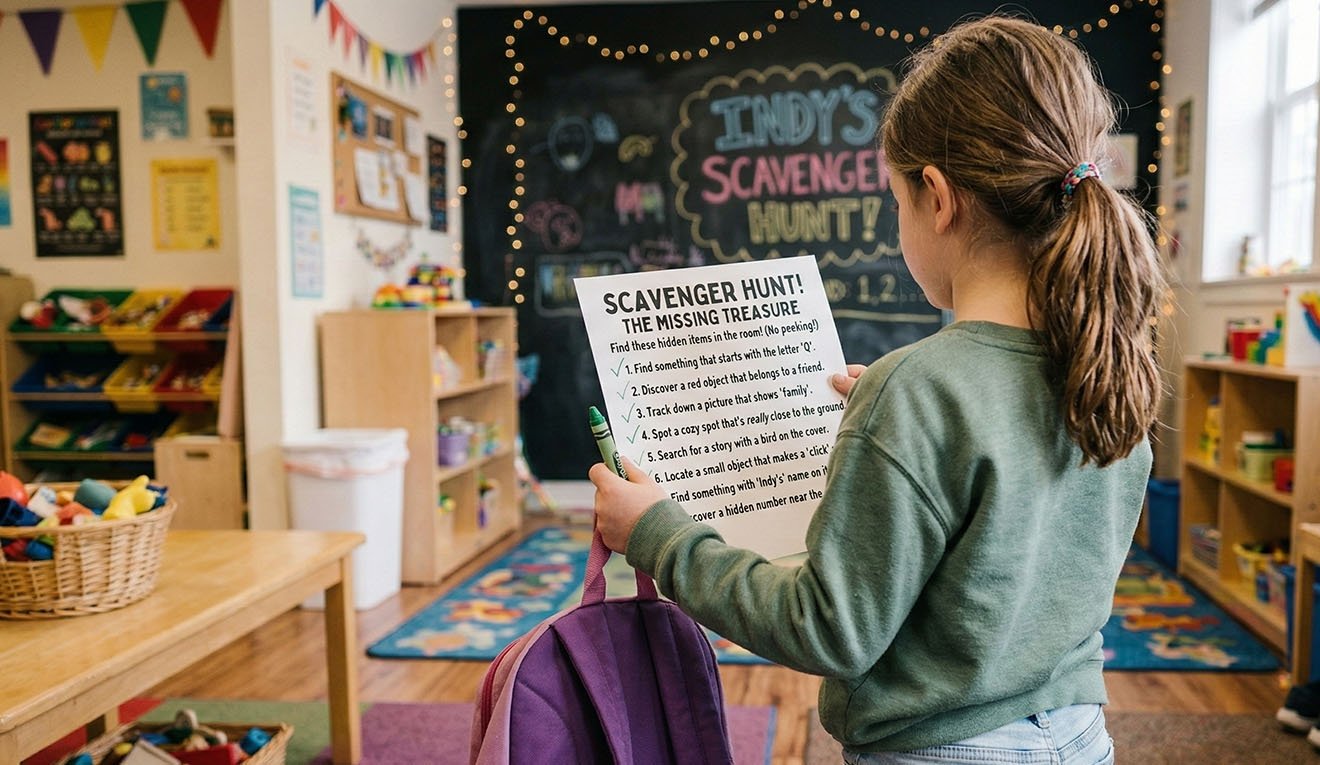
All Day | Throughout TELUS Spark Science Centre
Once you start looking, pi is everywhere.
From tiny circles to giant spheres, this scavenger hunt challenges curious explorers to spot circular shapes all around the science centre.
How many pieces of pi can you find hidden in everyday objects?
Pi Day Treats
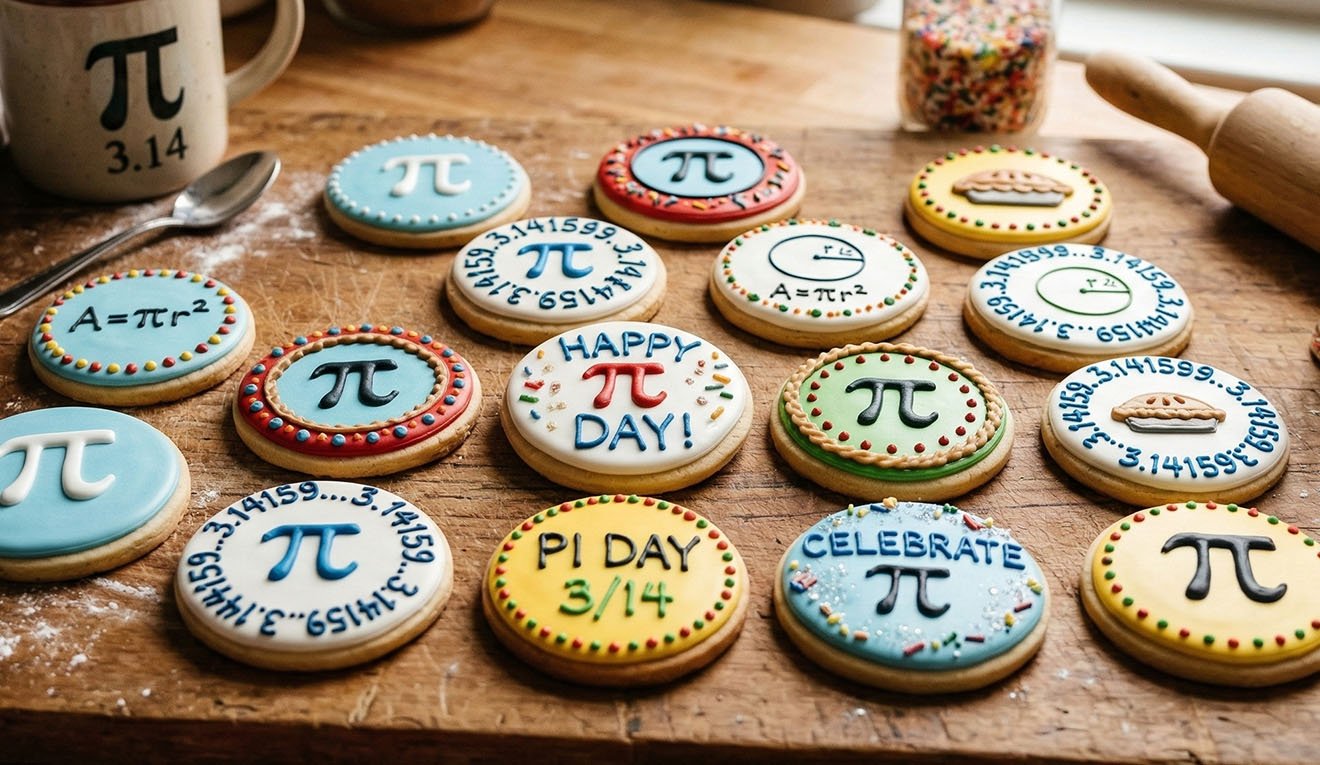
From Friday, March 13 to Sunday, March 15, you can also enjoy a few pie-inspired menu items:
- Steak & Gravy Pie with Roasted Potatoes and Salad – $16
- Pi Day themed sugar cookies
Because learning is always better with snacks!
Once You See Pi, You’ll Start Seeing It Everywhere
The coolest thing about pi is that it’s hidden all around us.
Every wheel, planet, bubble, and ripple in water follows the same mathematical relationship.
And once kids understand that circles follow a pattern, math suddenly becomes something they can see in the real world.
Not just numbers on a page.
Got a Science Question?
Curious about how something works? Leave your question in the comments below and our team might answer it in a future blog post.

Comments and Questions