


Look around for a moment. What shapes do you notice?
Maybe you see a coin, a clock, a plate, or a wheel. Step outside and you’ll spot even more: the sun, the moon, ripples in a puddle, the center of a flower, or the rings inside a tree.
Circles seem to appear everywhere in nature.
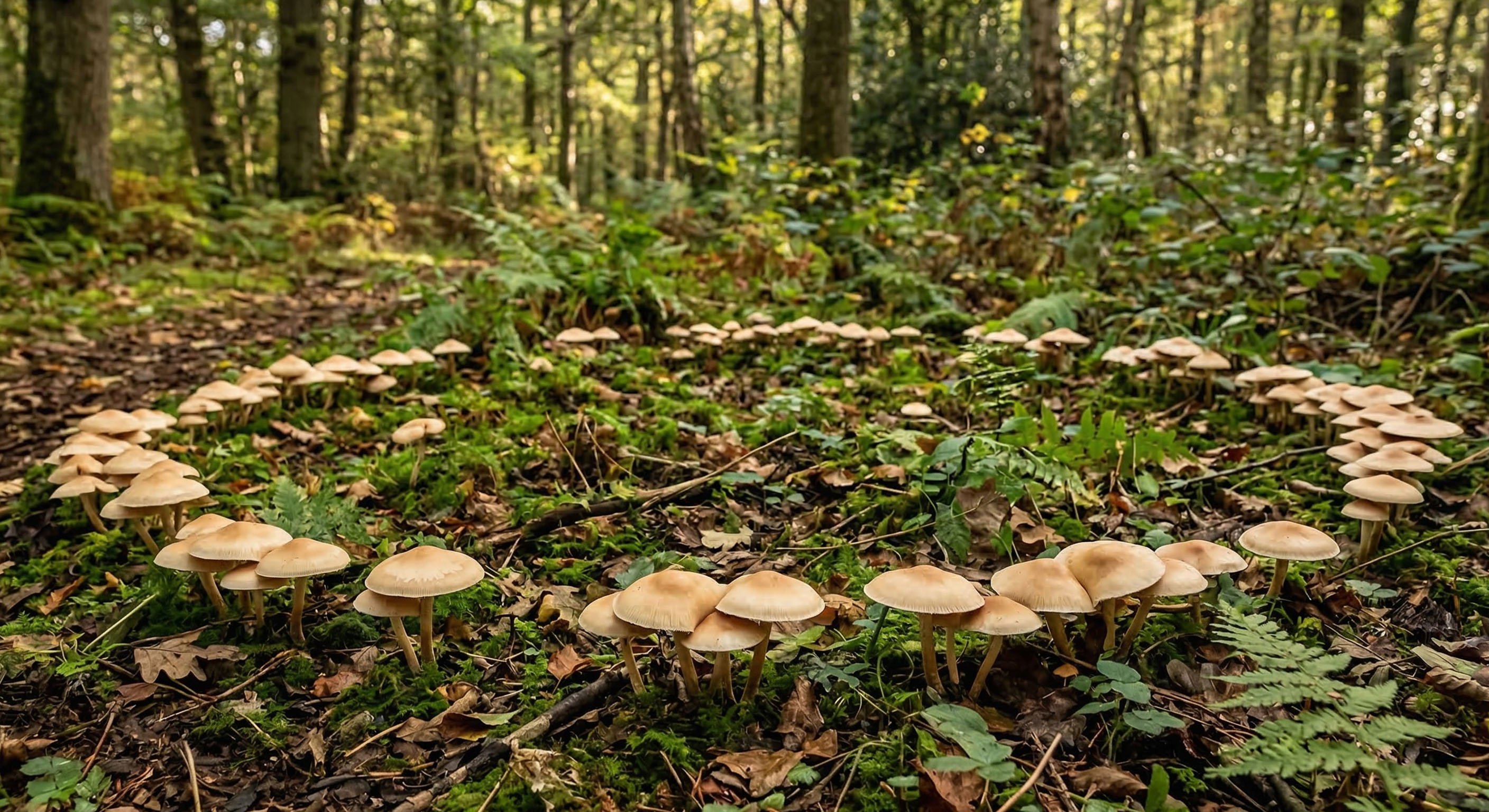
That’s not an accident.
There are real scientific reasons why round shapes show up again and again—from tiny soap bubbles to entire planets.
Why? Because, science!
Start Noticing the Circles Around You
Once you start looking for circles, you’ll see them almost everywhere.
Here are a few places you might spot them:
- bubbles floating through the air
- ripples spreading across water
- the round center of flowers
- tree trunks and tree rings
- the sun and the moon
- planets in space
Circles show up in nature because they are one of the most balanced and efficient shapes that can exist.
Why Nature Loves Circles
In nature, many forces act equally in all directions.
When that happens, the shape that forms is often a circle (or a sphere in 3D).
Think about a drop of water.
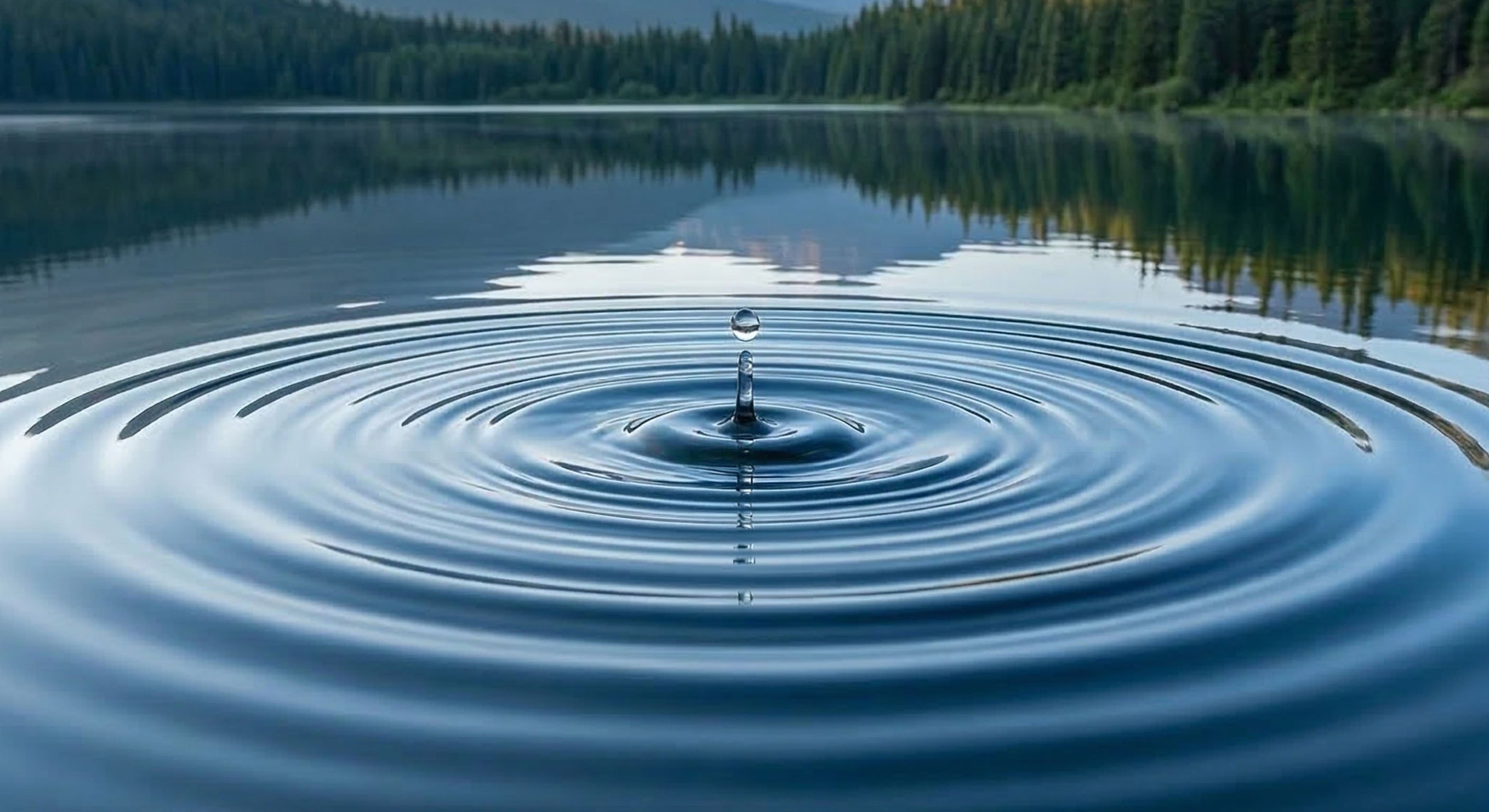
Water molecules pull toward each other. The most efficient shape they can form is a sphere. That’s why droplets and bubbles look round.
A circle spreads things evenly around a center point, which makes it a great shape when nature is trying to balance forces or energy.
Why Planets Are Round
Those same forces don’t just affect tiny droplets—they shape entire worlds.
Planets are round because of gravity.
Gravity pulls everything toward the center of an object. When a planet forms, gravity pulls matter equally from all directions.
Over time, this smooths the planet into a sphere.
That’s why Earth, Jupiter, and Mars all look round when we see them from space.
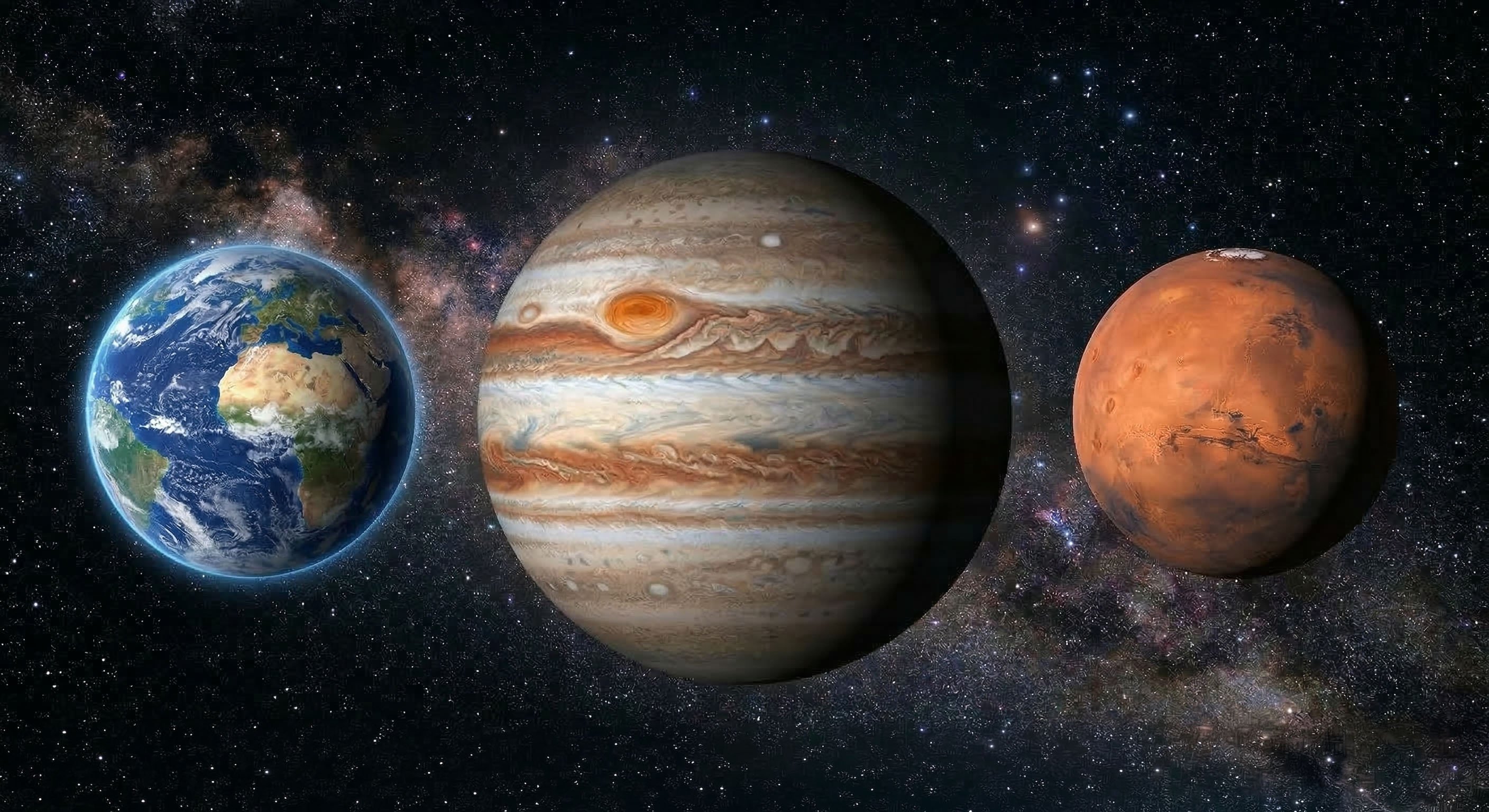
Smaller objects in space—like asteroids—often look lumpy instead. Their gravity isn’t strong enough to reshape them.
Watch Beautiful Circles of Our World
Circles in Plants and Living Things
Circles also appear in the way living things grow.
Many plants grow outward from a center point, which naturally creates circular patterns.
You can see this in:
- tree rings
- sunflower seed patterns
- flower centers
- mushrooms that grow in circular rings
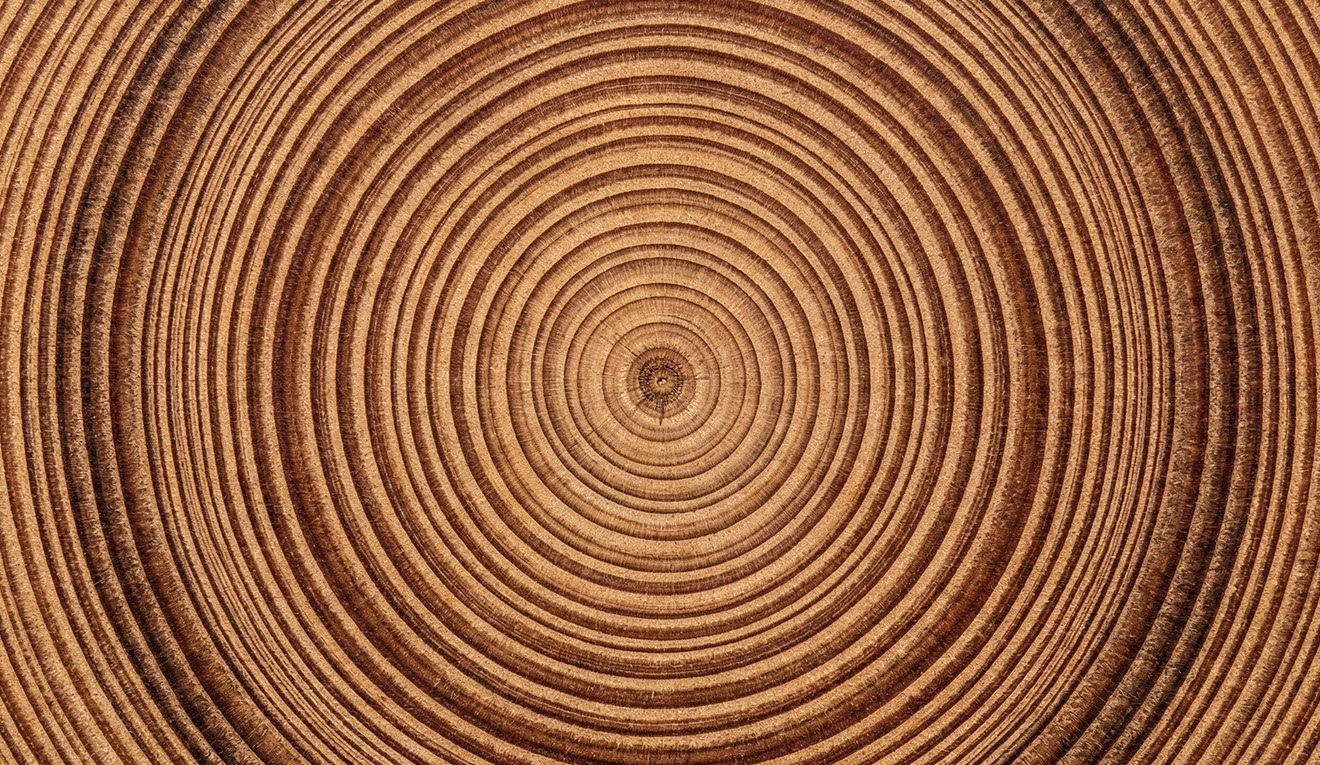
When a tree grows, it adds a new layer each year. Over time those layers form rings that spread outward like ripples in water.
Scientists study these rings to learn about a tree’s age and even past climate conditions.
The Math Behind Circles: Meet Pi
Whenever circles appear, math is involved.
A special number called pi (π) describes the relationship between two parts of every circle:
- the distance across a circle (diameter)
- the distance around a circle (circumference)
No matter how big or small a circle is, that ratio is always about:
3.14
That number is called pi.
It shows up everywhere—from engineering and architecture to astronomy.
That’s why people around the world celebrate Pi Day on March 14 (3/14).
Try a Circle Hunt
Want to see just how common circles are?
Try going on a circle hunt!
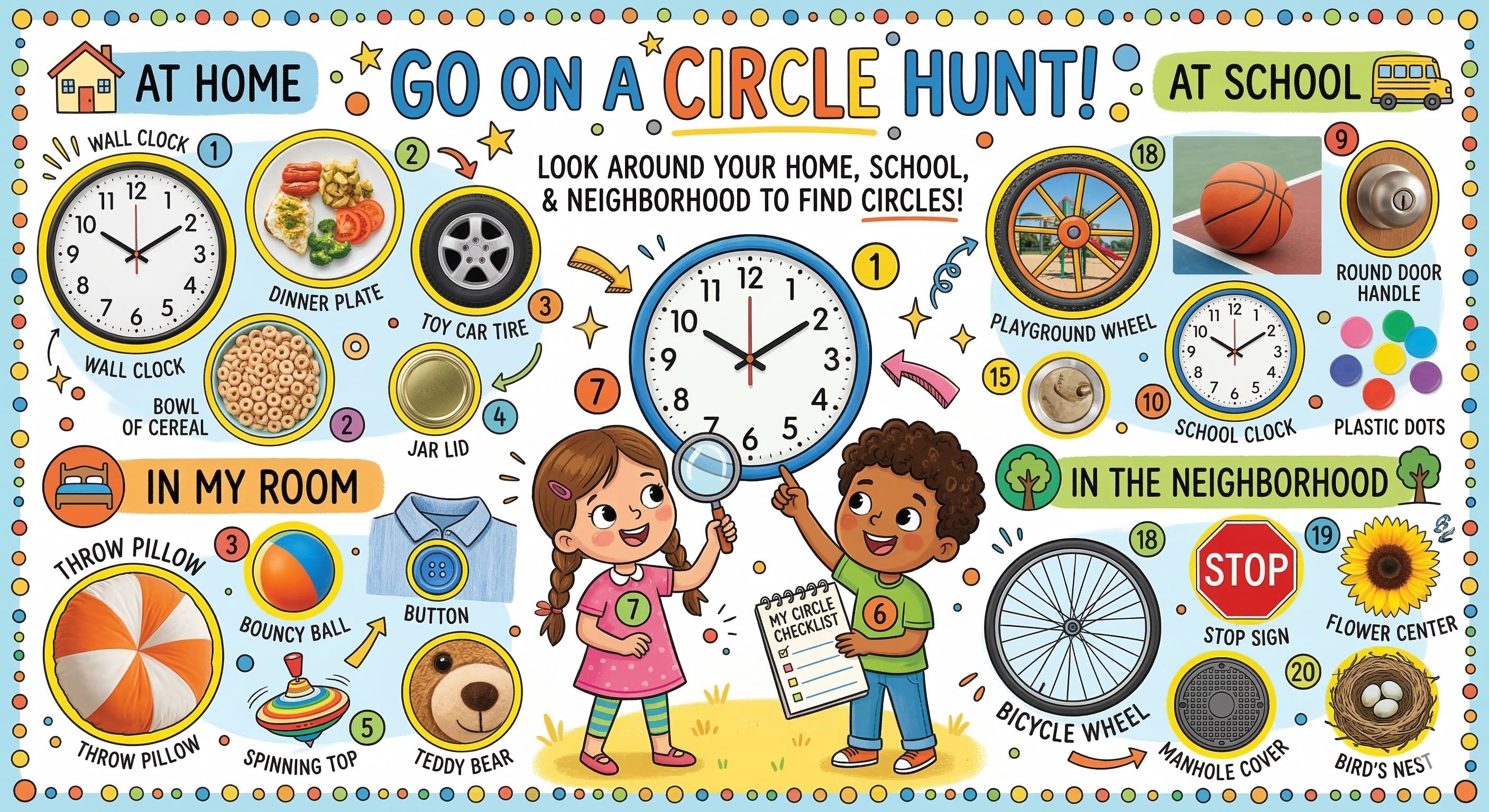
Look around your home, school, or neighbourhood and count how many circles you can find.
You might spot them in:
- wheels
- plates
- clocks
- tree trunks
- flowers
- bubbles
- the sun or moon
Once you start noticing them, circles are hard to miss.
Explore the Science of Our Planet at TELUS Spark Science Centre
Curious about how our planet formed and why the universe works the way it does?
At TELUS Spark Science Centre, hands-on experiences and immersive shows help explain the forces that shape the world around us.
In the Infinity Dome theatre, the film The Story of Earth takes visitors on a journey through billions of years of planetary history—showing how gravity, geology, and time shaped Earth into the world we know today.
From bubbles to planets, science helps explain the patterns hiding in everyday life.
And sometimes the answer to a curious question is simple.
Why?
Because, science!
FAQ: Circles in Nature
Why do circles appear so often in nature?
Circles appear often because they spread forces evenly in all directions. When nature is trying to balance energy, circular shapes frequently form.
Why are bubbles round?
Bubbles are round because surface tension pulls the liquid evenly toward the center, creating a sphere.
Why are planets shaped like spheres?
Planets become round because gravity pulls matter toward the center from all directions, smoothing the planet into a sphere over time.
Where can you find circles in nature?
You can see circles in bubbles, ripples in water, tree rings, flowers, the sun, the moon, and planets in space.
Still Curious?
Science starts with great questions.
Maybe you’re wondering why snow squeaks when it’s cold. Or why bubbles always seem to float upward. Or why some planets have rings.
Do you have a science question you’d like us to explore?
Leave it in the comments below!

Comments and Questions